Measuring the Brain in Action
QEEG Brain Mapping
& Brief Cognitive Assessment
QEEG measures patterns of electrical brain activity, helping us understand how those patterns may relate to attention, emotion, cognition, and everyday functioning. We combine brain mapping with focused cognitive assessment and clinical interpretation to create a meaningful starting point, personalize recommendations, and monitor change over time.
Measure. Understand. Optimize. Track.
The Brief Cognitive Assessment is not designed to establish or rule out a diagnosis. Individuals seeking diagnostic clarification or a comprehensive evaluation should explore Comprehensive Neuropsychological Assessment.
A Clearer Starting Point for Better Performance
A Measurable Starting Point
Establish a clearer picture of brain activity, cognitive efficiency, emotional functioning, and nervous-system regulation.
More Personalized Recommendations
Integrate objective findings, clinical interpretation, and individual goals to identify practical ways to support functioning and performance.
Meaningful Progress Tracking
Repeat relevant measures to evaluate changes in regulation, cognitive efficiency, and everyday performance over time.
A Whole-System Perspective
Consider how brain activity, cognition, mood, stress response, physical regulation, and daily functioning interact.
Strong Potential. Inconsistent Access.
Many people have significant intellectual, creative, or academic strengths but struggle to access those abilities consistently when attention, regulation, stress, or cognitive efficiency become barriers. A meaningful starting point helps us understand where support may be most useful and gives us a way to track whether recommendations or interventions are making a real difference.
Potential and consistent performance are not the same thing.
The Process
Measure
Establish a meaningful starting point through QEEG brain mapping and focused assessment.
Understand
Interpret the findings in clear, practical language and connect them to everyday patterns, strengths, and goals.
Optimize
Use the findings to personalize recommendations and, when appropriate, guide neurotherapy or other supports.
Track
Repeat relevant measures to monitor change, evaluate progress, and refine recommendations over time.
More Than a Brain Map
Many brain maps focus primarily on electrical activity. Mighty Village adds focused cognitive assessment and neuropsychological interpretation to create a more complete picture of functioning. This allows us to consider how brain activity, cognitive performance, mood, regulation, and everyday functioning fit together.
What a Brain Map Looks Like
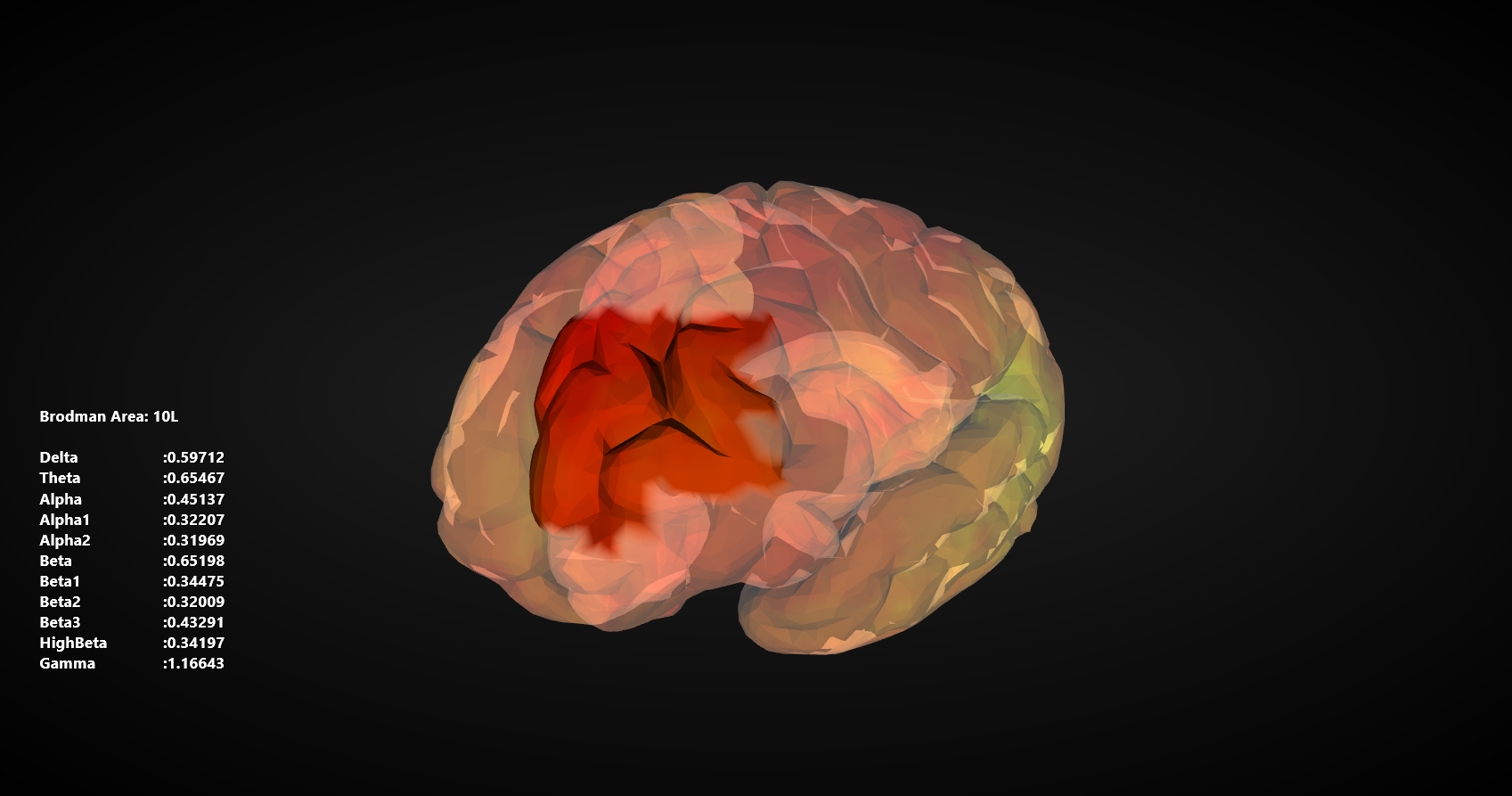
A comprehensive QEEG produces detailed visualizations used in clinical interpretation and treatment planning.
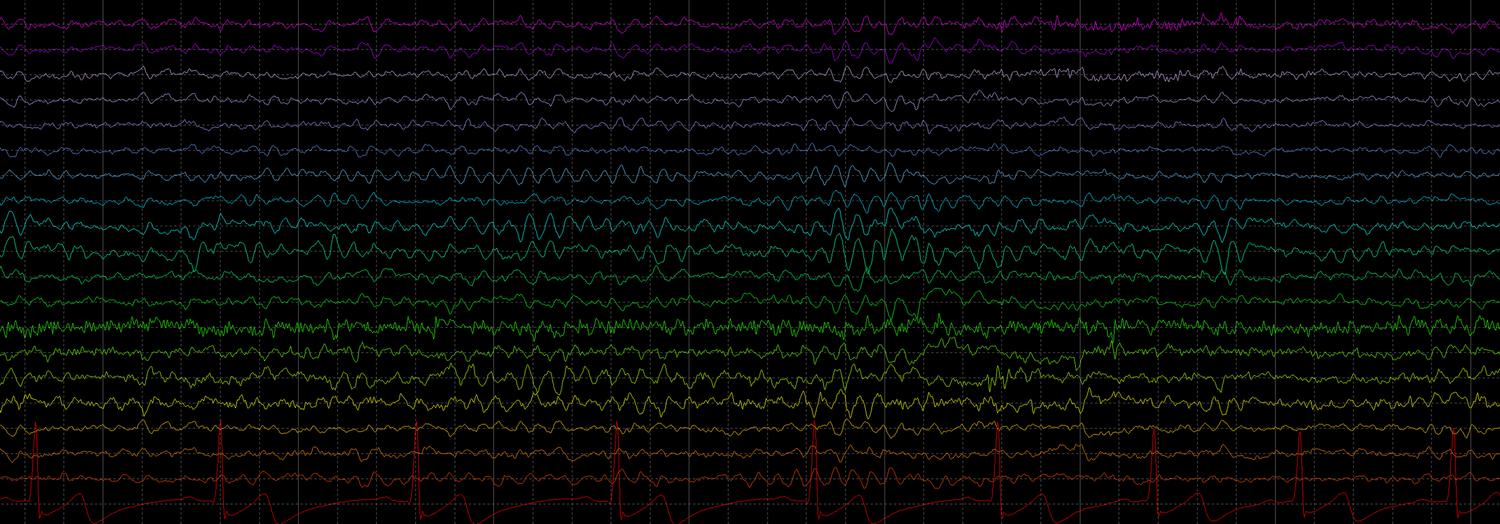
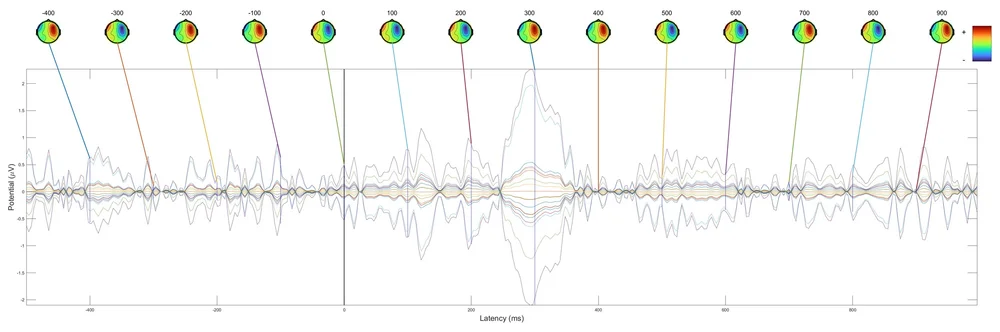
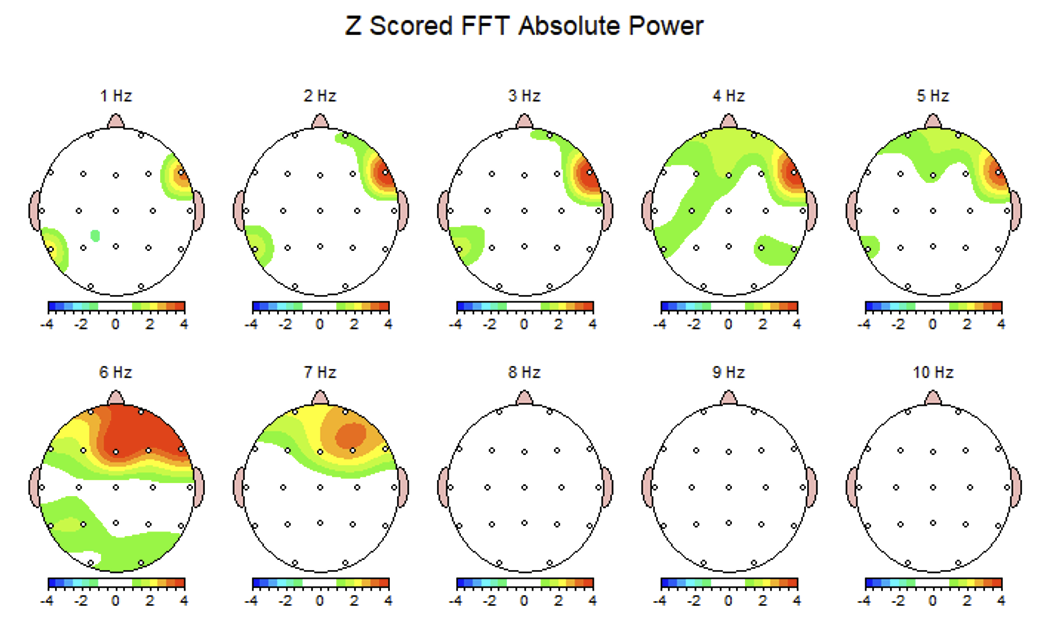
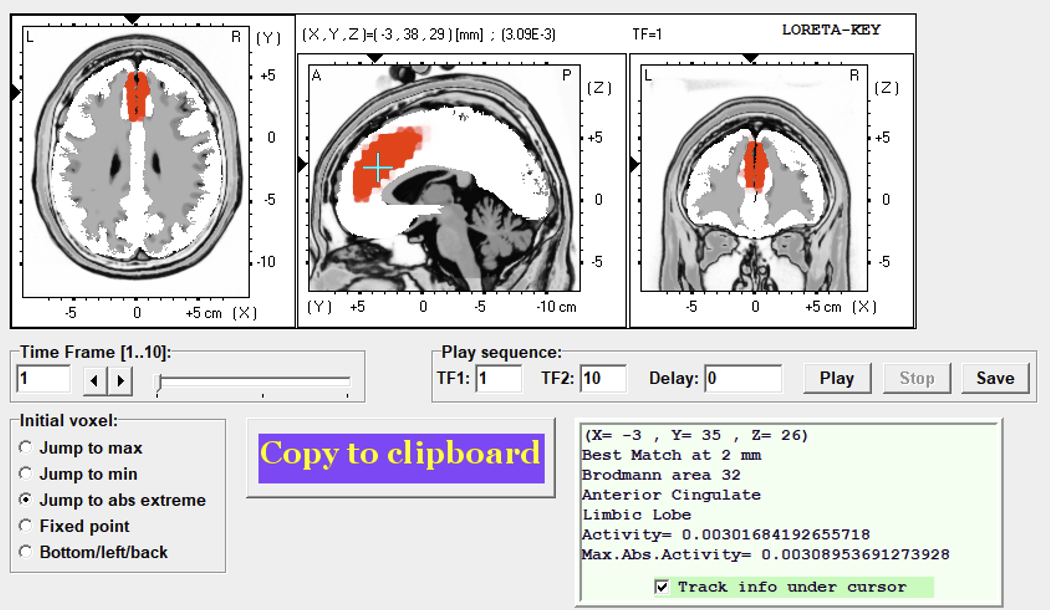
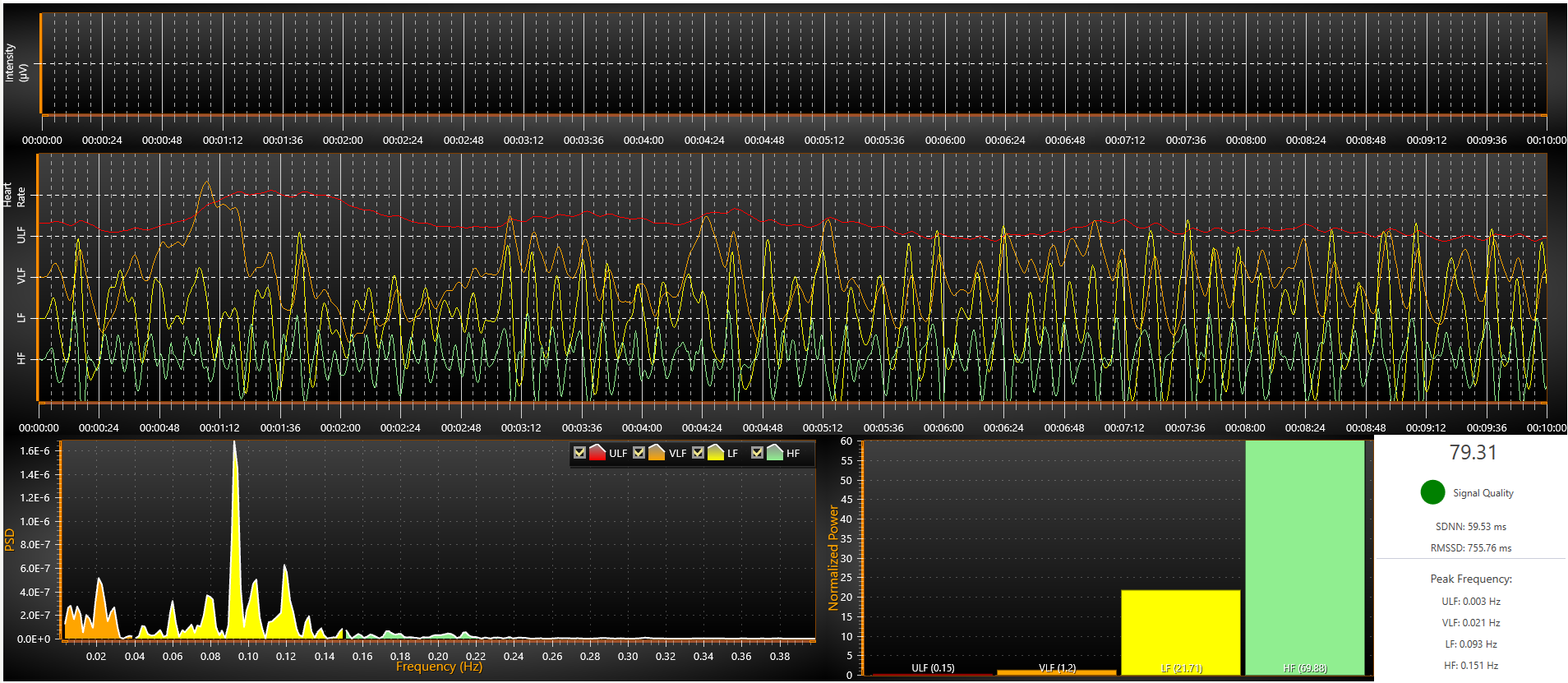
Raw EEG Recording
Multi-channel brainwave traces captured from 19+ sensors, showing real-time electrical activity.
Understanding the Brain's Electrical Activity
The brain communicates through patterns of electrical activity that occur at different frequencies. Each rhythm is commonly associated with different states of attention, processing, regulation, rest, and performance. QEEG helps us examine how these patterns are distributed and how they work together.
Delta
0.5–4 HzDelta activity is most prominent during deep sleep and physical restoration. When elevated during wakefulness, it may sometimes be considered in relation to fatigue, slowed processing, or reduced alertness, depending on the broader pattern.

Theta
4–8 HzTheta activity is commonly associated with internal attention, memory, creativity, and transitions between mental states. Its balance and location may be relevant when considering attention, learning, and regulation.

Alpha
8–12 HzAlpha activity is commonly associated with relaxed alertness, sensory regulation, and the brain's ability to shift between internal and external attention. Alpha patterns may offer insight into readiness, calm focus, and information processing.

Beta
12–30 HzBeta activity is commonly associated with active thinking, concentration, problem-solving, and task engagement. Different beta ranges may reflect focused cognitive activity or, when elevated, heightened tension and overactivation.

Gamma
> 30 HzGamma activity is commonly associated with rapid information integration, learning, perception, and complex cognitive processing. It is interpreted carefully because muscle activity can also affect higher-frequency recordings.

No single brain wave is inherently good or bad. Meaning depends on its frequency, strength, location, timing, and relationship to other activity.
Frequency tells us something about the type and timing of brain activity. Location and network patterns help us understand where that activity is occurring and how different systems may be working together.
Explore How Brain Systems Work Together
Select a location or functional network to explore brain systems commonly associated with attention, movement, language, emotion, reasoning, visual processing, and internally directed thought. QEEG locations are interpreted as part of broader networks, not in isolation.
Explore How Brain Systems Work Together
Select a location or functional network to explore brain systems commonly associated with attention, movement, language, emotion, reasoning, visual processing, and internally directed thought. QEEG locations are interpreted as part of broader networks, not in isolation.
Functional Networks
This map illustrates common functional associations and is provided for educational purposes. QEEG findings are interpreted as part of a broader clinical picture and do not independently establish a diagnosis or explain functioning in isolation.
From Brain Activity to Better Performance
QEEG is most meaningful when electrical activity is interpreted alongside cognitive performance, emotional functioning, symptoms, and everyday experience. Together, these measures help establish a meaningful starting point, identify patterns that may interfere with performance, and guide personalized ways of strengthening function over time.
QEEG Brain Mapping
Measures patterns of electrical brain activity and how different regions and networks are functioning together.
Cognitive Performance
Examines attention, working memory, processing speed, consistency, and cognitive efficiency.
ERP Performance Analysis
Measures how quickly and consistently the brain detects, processes, and responds to information.
Mood & Regulation
Explores how stress, emotional functioning, and nervous-system regulation may interact with cognition and performance.
Frequently Asked Questions
Related Services
Our services are designed to work together. Explore how other parts of our approach may support your family's goals.
Ready to Understand Your Brain and Improve Performance?
Begin with a clearer picture of how your brain is functioning. These insights can help identify strengths, uncover barriers to performance, personalize recommendations, and provide a meaningful way to track change over time.